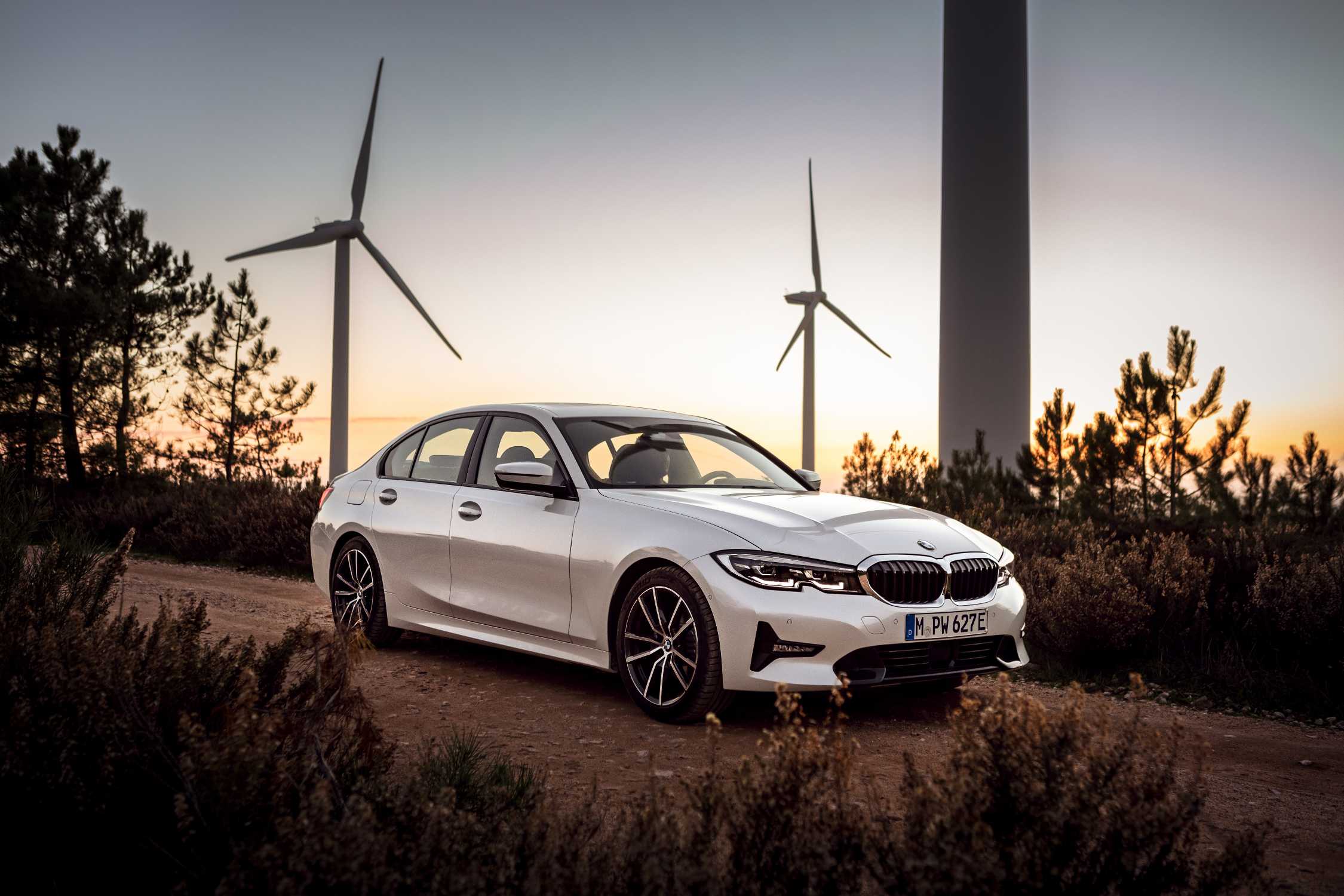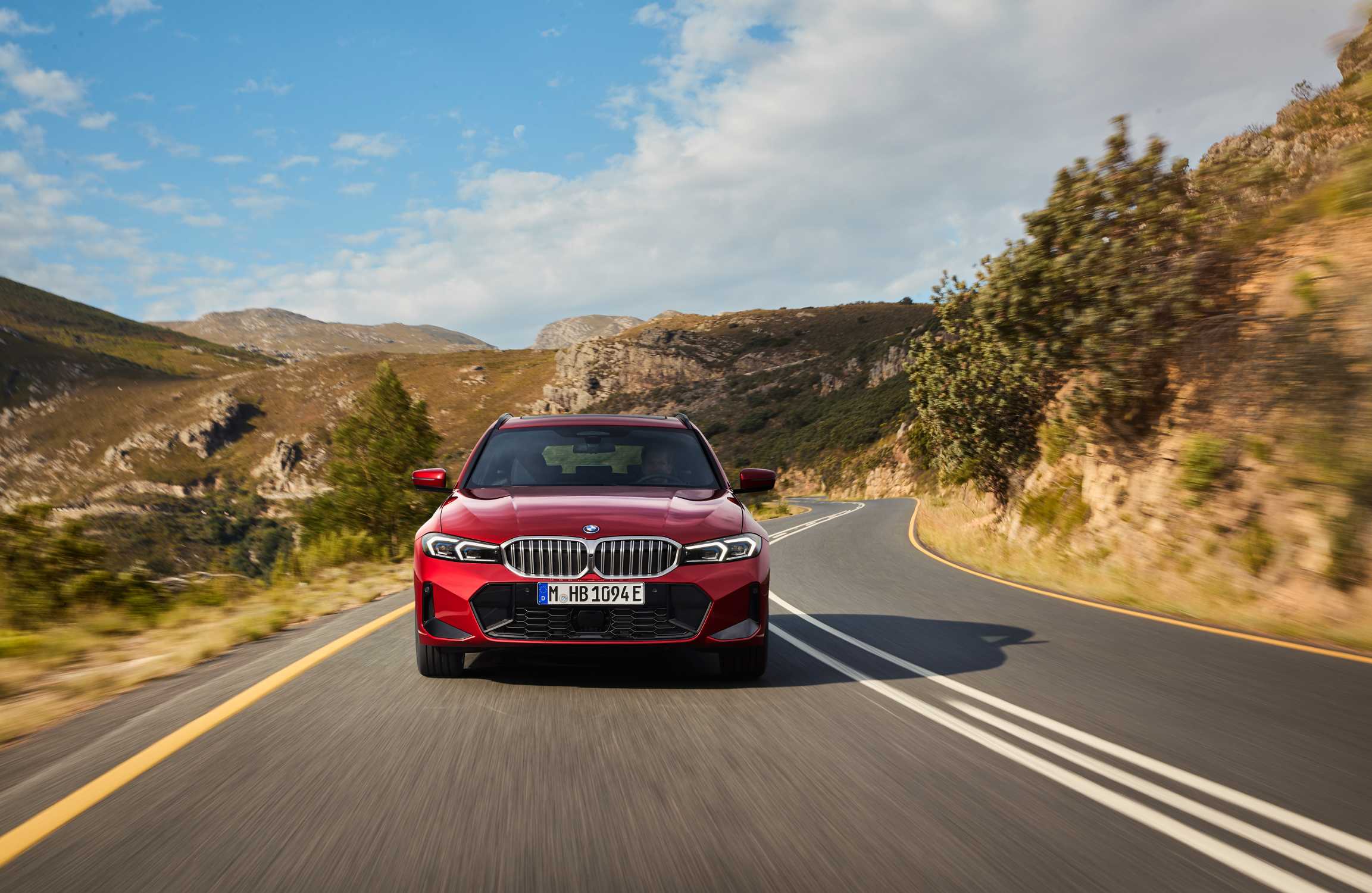
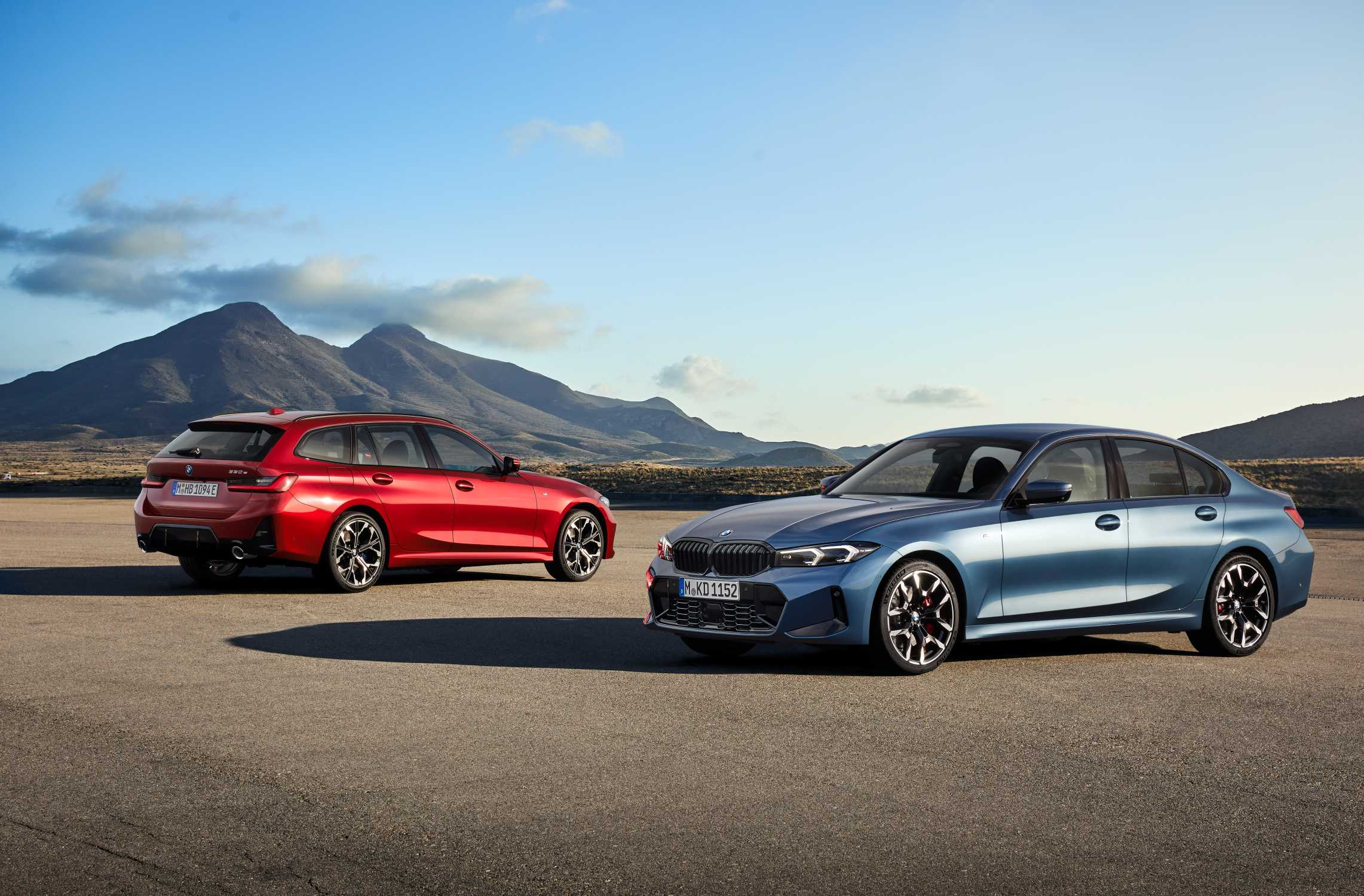
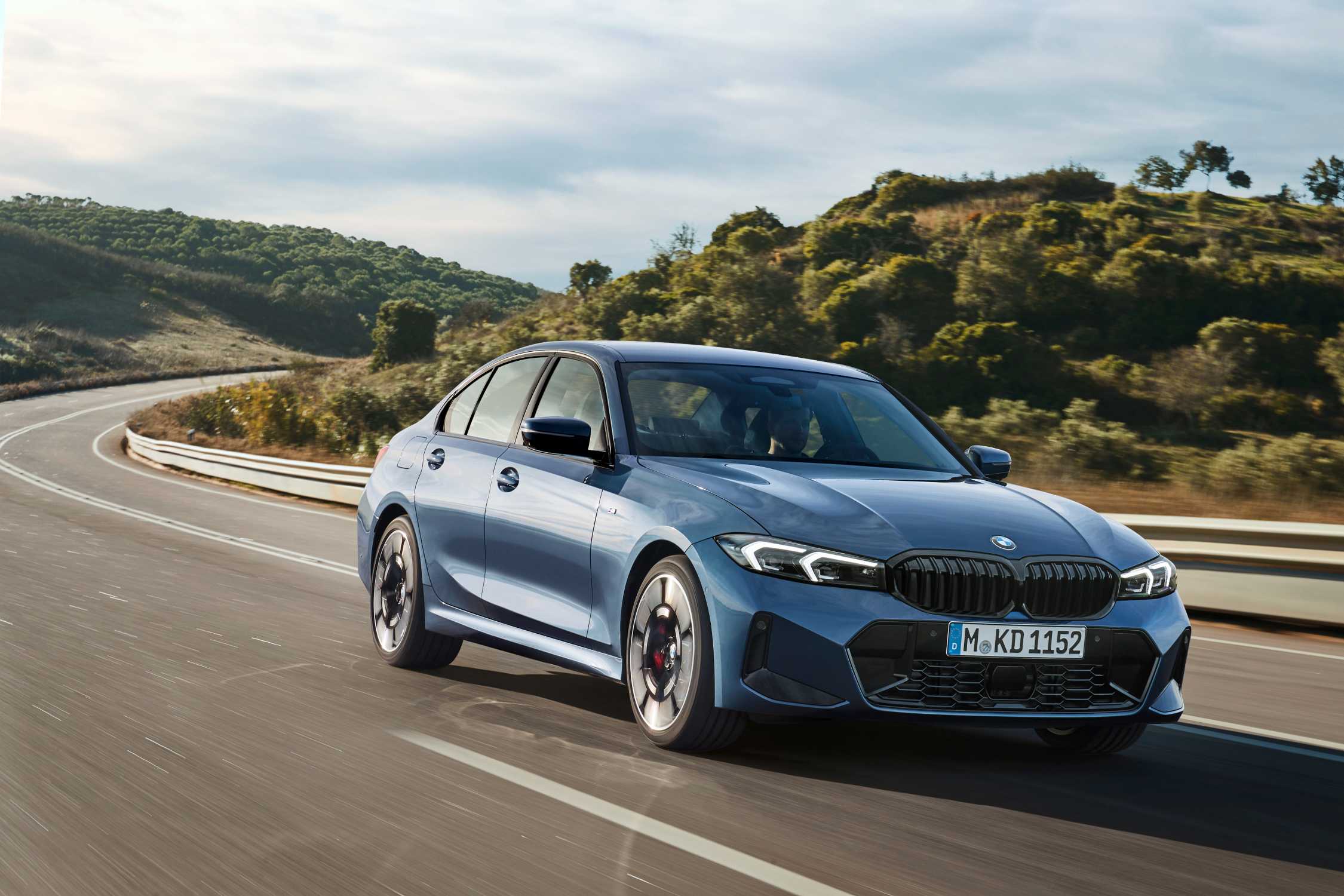
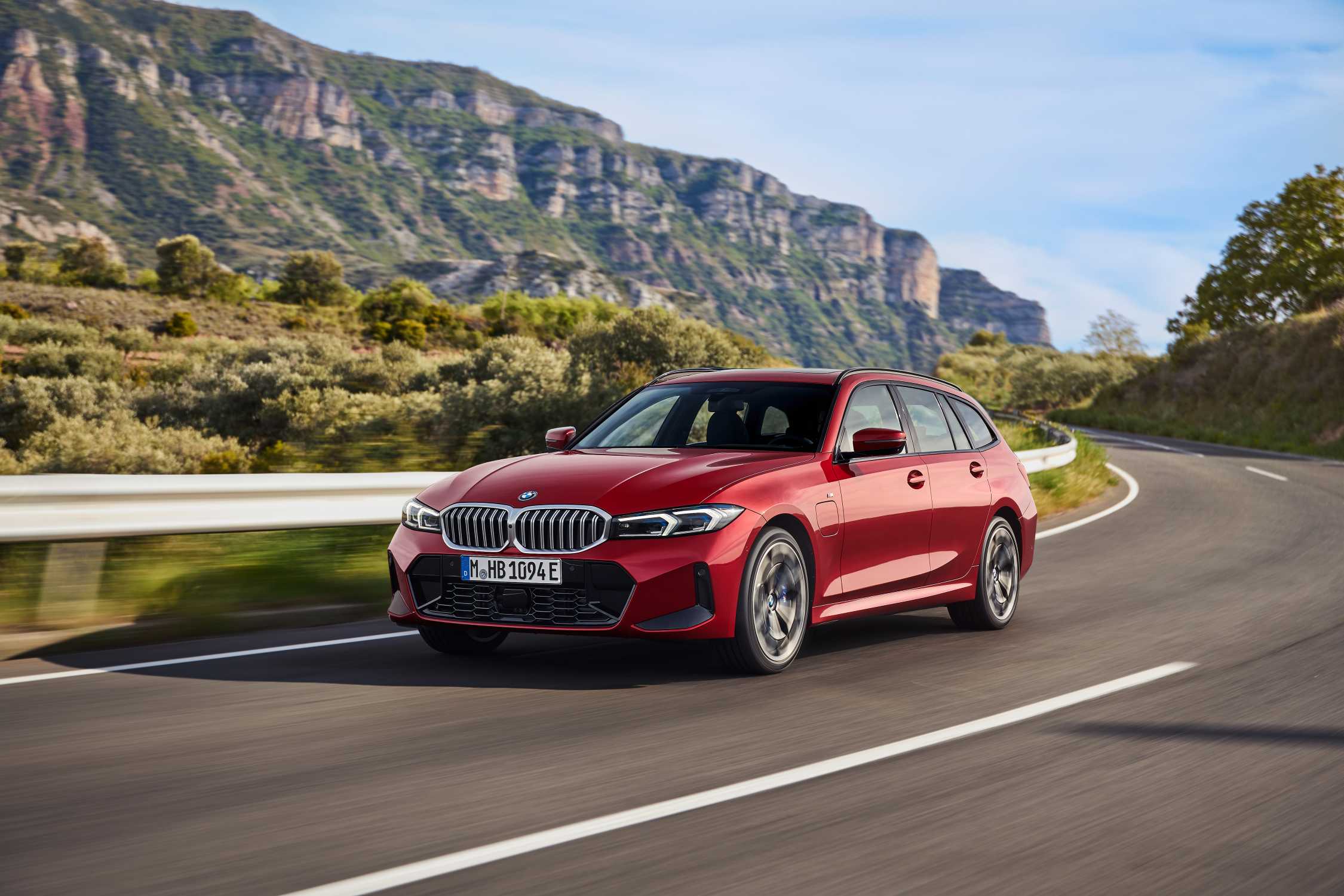
For discerning drivers in Edmond, Mustang, and Moore, OK, choosing between the BMW 330i and the BMW 330e entails understanding the nuances of traditional gasoline performance versus innovative plug-in hybrid technology. Whether your priority is maximizing driving range, embracing electrified mobility, or optimizing fuel efficiency for your daily commute, this detailed exploration will clarify the technical distinctions, real-world applications, and practical considerations for each model. For personalized assistance, feel free to contact us directly at (405) 755-3600 or visit our dealership at 14145 N Broadway Ext, Edmond, OK 73013.
Table of Contents
- Difference Overview Between BMW 330i and 330e
- Which BMW 330e Has the 330i Engine?
- How Many Years Does a BMW 330e Battery Last?
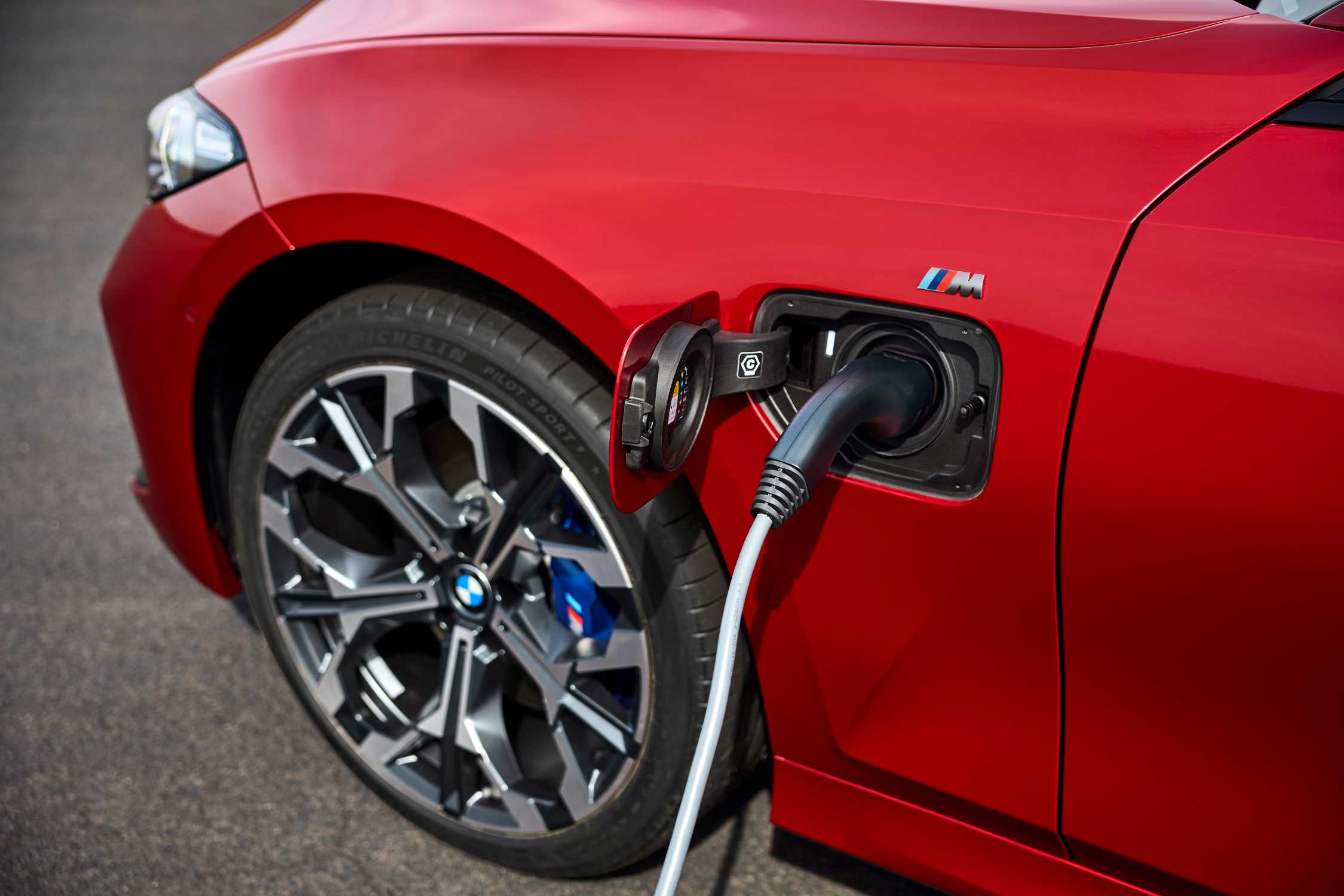
- Does the BMW 330e Charge Itself While Driving?
- What Does the ‘E’ Mean in BMW 330e?
- How Many Miles Can a BMW 330e Go on a Full Tank?
- BMW Service, Parts, and Trade-In Options in Edmond
Difference Overview Between BMW 330i and 330e
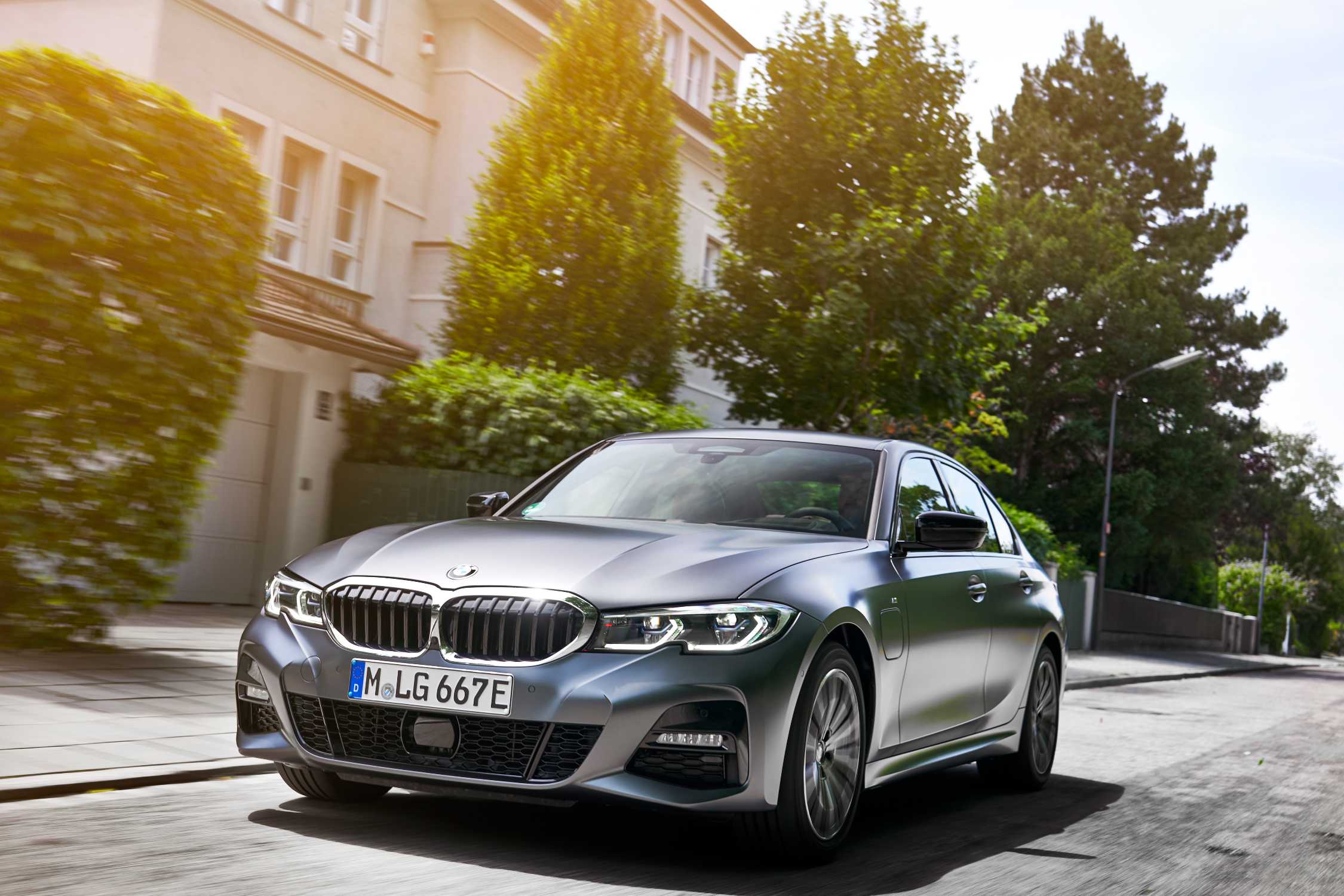
The fundamental distinction between the BMW 330i and 330e lies in their powertrains and driving experience. The 330i is anchored by a robust 2.0-liter TwinPower Turbo four-cylinder gasoline engine, delivering a confident 255 horsepower and 295 lb-ft of torque. This traditional setup offers an extensive driving range and a capacious trunk, making it a dependable choice for those prioritizing long-distance travel and cargo volume, especially for families commuting around Edmond, Guthrie, or Piedmont.
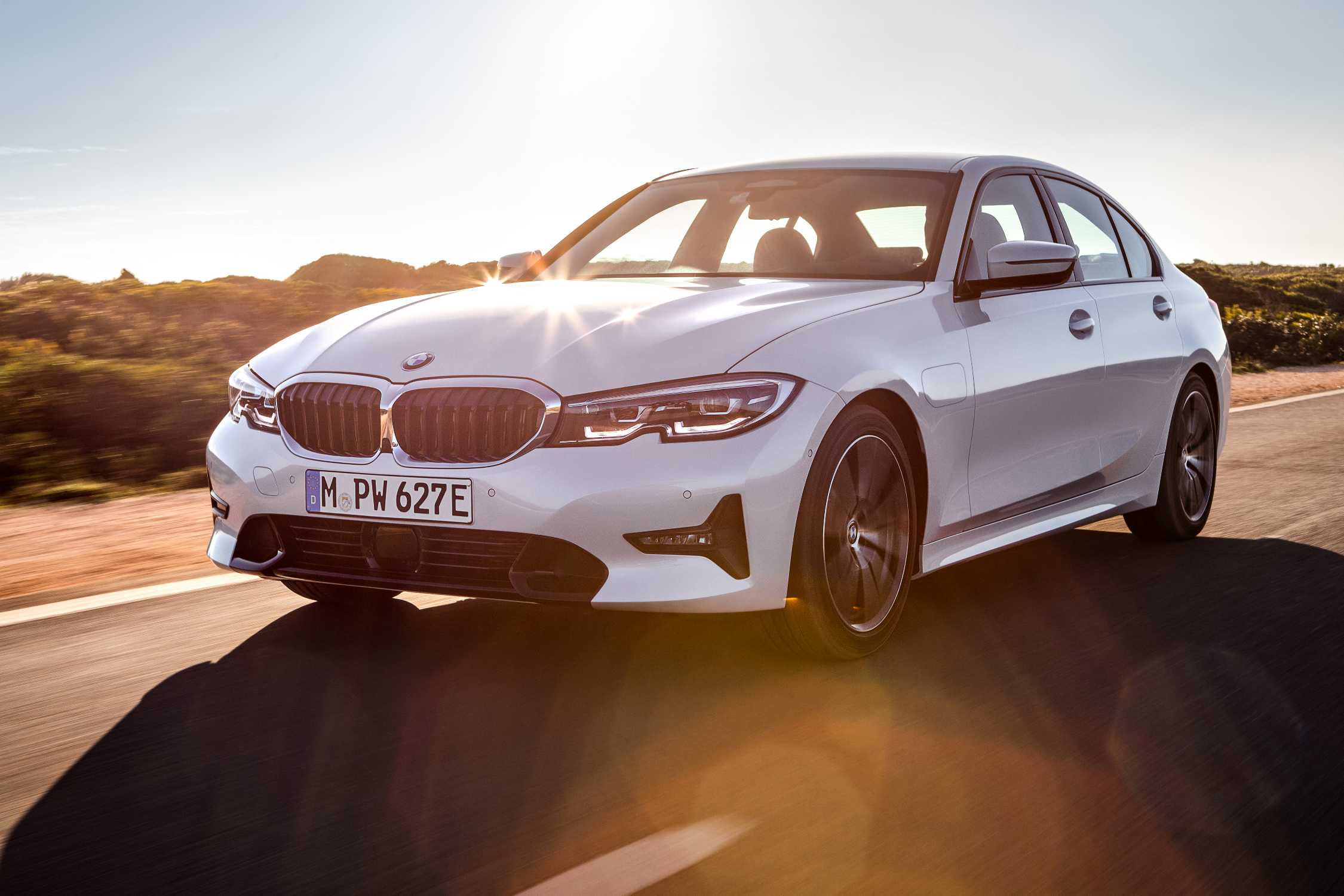
Conversely, the 330e integrates an electric motor with a similar 2.0-liter gasoline engine, elevating combined output to approximately 288 horsepower, with torque peaking at 310 lb-ft during its XtraBoost function. This plug-in hybrid architecture allows for up to 20 miles of pure electric driving, ideal for environmentally-conscious drivers in Moore or Bethany seeking fuel savings during short commutes. However, to accommodate the battery pack, the 330e sacrifices some trunk space and features a smaller fuel tank, approximately 10.6 gallons versus the 330i’s 15.6-gallon capacity.
Key Differences:
- Powertrain: Gasoline engine only (330i) vs. hybrid electric-gasoline system (330e)
- Horsepower & Torque: 255 hp / 295 lb-ft (330i) vs. 288 hp / 310 lb-ft combined (330e)
- Electric-Only Range: None (330i) vs. ~20 miles (330e)
- Fuel Tank Capacity: Larger in 330i for extended range
- Trunk Space: More spacious in 330i due to the absence of the battery pack
This comparison helps Edmond-area drivers decide based on lifestyle needs. For example, in Mustang or Choctaw, the 330e's electric range can cover daily errands without gasoline, while the 330i’s traditional fuel system supports longer highway travel without charging interruptions.
Which BMW 330e Has the 330i Engine?
Exploring the engine configurations reveals that certain 330e models share the same core internal combustion engine as the 330i. Specifically, the hybrid’s gasoline engine is derived from the B48B20B 2.0-liter TwinPower Turbo four-cylinder engine found in the 330i, albeit electronically limited or tuned to balance hybrid power delivery and battery integration.
This shared architecture ensures that drivers in areas like Mustang or Piedmont benefit from the same engineering excellence and dynamic responsiveness synonymous with BMW’s gasoline-powered vehicles, while also leveraging the electric motor’s added torque and efficiency. The hybrid system’s integration within the transmission enables seamless power blending, providing the 330e with a smooth ride that matches or exceeds the 330i’s performance metrics when the XtraBoost function is active.
Real-world scenarios in Edmond highlight the advantages: a driver commuting through mixed city and highway routes experiences immediate torque from the electric motor at low speeds, reducing fuel consumption, while retaining the 330i’s spirited acceleration at higher speeds. This hybridization does not compromise the driving dynamics that BMW enthusiasts expect but enhances them with hybrid efficiency.
How Many Years Does a BMW 330e Battery Last?
Battery life is a critical consideration for prospective 330e owners, especially in climates like Oklahoma’s, where temperature extremes can impact battery health. BMW’s plug-in hybrid batteries typically last between 3 and 5 years under normal usage, though this varies with factors such as driving patterns, climate conditions in places like Bethany or Guthrie, and charging habits.
The battery pack in the 330e is engineered for durability and includes thermal management systems to mitigate degradation. Regular maintenance and periodic diagnostics at certified service centers, such as our Service Department, ensure optimal battery performance. Moreover, routine inspections during scheduled maintenance visits often include battery health assessments to preemptively identify capacity loss.
Owners can extend battery longevity by:
- Avoiding prolonged exposure to extreme temperatures by parking indoors or in shaded areas
- Consistent charging to avoid deep discharges that stress the battery
- Utilizing BMW’s battery management software that optimizes charge cycles and limits fast charging frequency
Understanding these factors helps Edmond drivers maintain their 330e’s electric capabilities and avoid premature replacements, which can be facilitated by ordering genuine replacement components from our Parts Department.
Does the BMW 330e Charge Itself While Driving?
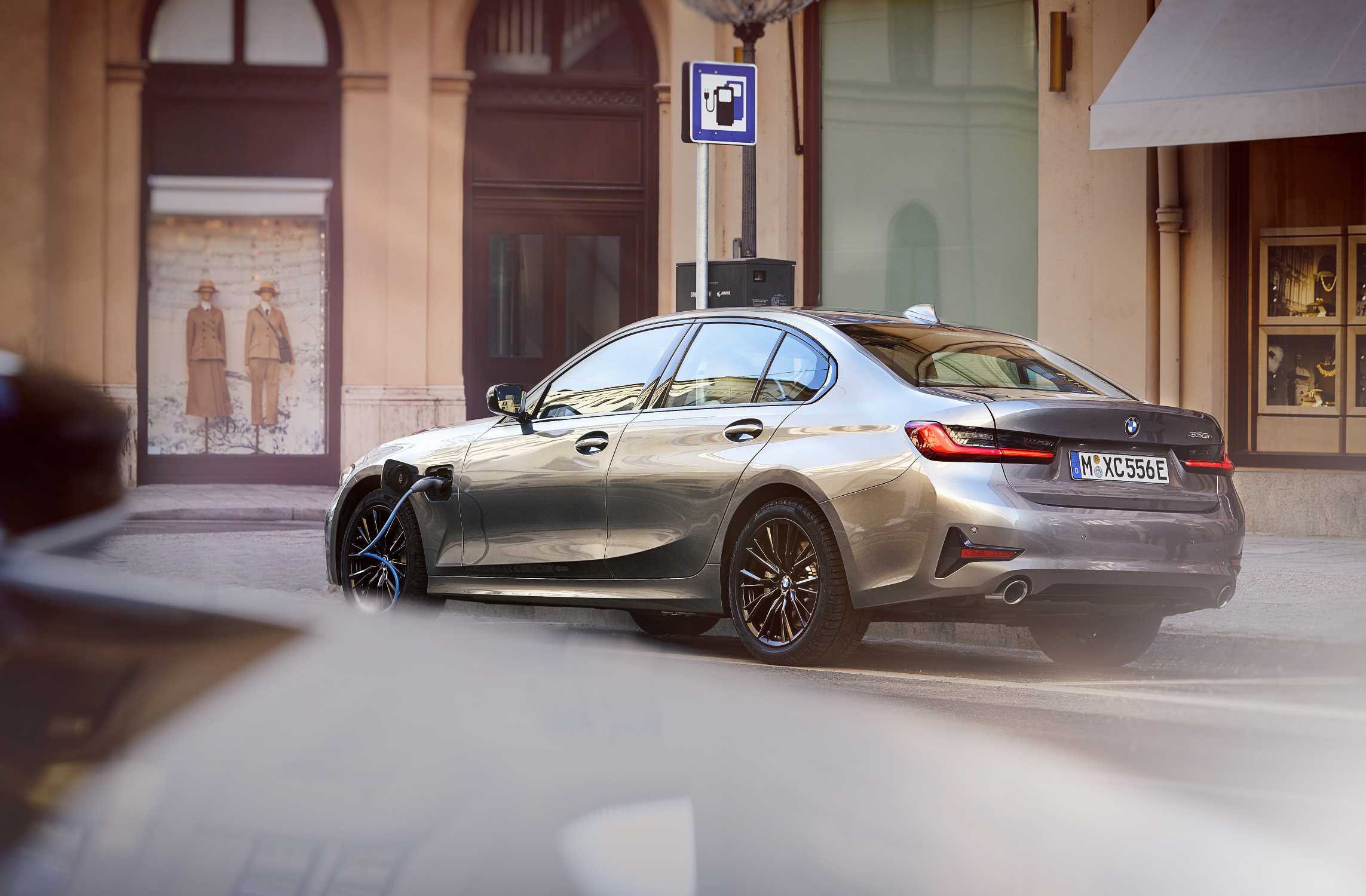
The 330e combines both external and self-charging mechanisms to maximize electric range and efficiency. At the same time, the vehicle’s battery is primarily recharged via plug-in charging stations—whether at home in Edmond or public stations around Mustang—it also recovers energy through regenerative braking and coasting.
Whenever you brake or lift your foot off the pedal, the electric motor acts as a generator, turning that motion into power to recharge the battery. This process, common to plug-in hybrids, helps extend the electric driving range without external power input. However, unlike a traditional hybrid, the 330e’s battery is designed for higher capacity and requires regular plug-in charging to maintain optimal performance.
BMW’s smart energy management actively balances charging and power output, creating a seamless partnership between the combustion engine and the electric motor. For Edmond commuters, this means that short trips can often be completed in electric-only mode, while longer drives in areas like Bethany or Piedmont benefit from seamless hybrid transition without range anxiety.
What Does the ‘E’ Mean in BMW 330e?
BMW’s nomenclature is precise and meaningful. The letter “e” appended to the 330e model signifies its status as a plug-in hybrid electric vehicle (PHEV). This designation differentiates it from the “i” suffix used for purely gasoline-powered vehicles like the 330i and the “d” suffix used for diesel variants.
The 330e leverages BMW’s advanced eDrive technology, combining an efficient combustion engine with an electric motor and a high-voltage battery. This blend delivers both environmental benefits through reduced emissions during electric operation and superior performance with combined power output.
For drivers in Edmond and neighboring communities, understanding this naming convention aids in appreciating the technological innovation embedded in the 330e. It also provides insight into the growing range of BMW’s electrified vehicles designed to meet ever-changing regulatory standards and consumer preferences.
How Many Miles Can a BMW 330e Go on a Full Tank?
The total driving range of the 330e depends on the interplay between its electric-only range and gasoline-powered distance. When fully charged, the 330e can typically cover approximately 20 miles on battery power alone, sufficient for many daily commutes in areas like Moore or Choctaw without consuming fuel.
Once the electric charge is depleted, the 330e seamlessly transitions to gasoline power, utilizing its smaller 10.6-gallon fuel tank. On average, this provides a gasoline-only range of roughly 300 to 330 miles, influenced by driving style, terrain, and environmental conditions common to the Edmond metro area.
Combined, drivers can expect a total range exceeding 400 miles under typical use, making the 330e a versatile option for suburban and highway travel. Efficient use of electric mode during city driving paired with the gasoline engine for longer trips optimizes fuel economy and reduces emissions.
BMW Service, Parts, and Trade-In Options in Edmond
Maintaining your BMW 330i or 330e for peak performance requires expert care. At Jackie Cooper BMW, located conveniently at 14145 N Broadway Ext, Edmond, OK 73013, our factory-trained technicians specialize in servicing BMW’s advanced drivetrains, hybrid systems, and high-performance engines.
Schedule your next maintenance or battery check with our Service Department to benefit from transparent pricing and efficient turnaround. If you require replacement components, our Parts Department stocks genuine BMW parts, ensuring reliability and warranty compliance.
Thinking about upgrading? Discover your current vehicle’s value with our easy-to-use Value Your Trade tool. Explore our extensive inventories of All Used Vehicles, All New Vehicles, All New SUVs, and All New Sedans designed for the Edmond and broader Oklahoma market.
Additionally, explore our Service Specials, Pre-Owned Specials, and New Vehicle Specials to maximize value on your next purchase or service visit.
Elevate your driving experience in Edmond, OK, with a tailored BMW 330i or 330e that suits your lifestyle perfectly. Whether prioritizing traditional gasoline power or embracing the electrified future, Jackie Cooper BMW is your trusted partner for expert advice, service, and premium vehicle selection.
© 2025 Jackie Cooper BMW